
Seeds sown in 2009
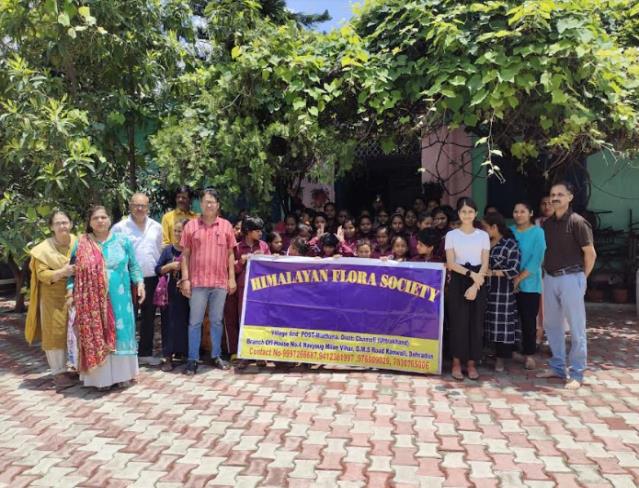
Himalayan Flora Svaayatt Sahkarita (HFSS) is an autonomous society registered under the Uttarakhand Svaayatt Sahkarita Act, 2003. Adv. Rakesh Mohan Pant, a florist, and Dr. Mukesh Chandra Sati founded it with one idea: let people in the hills earn a good living where they are.
The work spans production, value addition and marketing, from herbal, flower and fruit nurseries to orchards and plantations. Farmers and NGOs get hands-on technical support, plus training in organic, natural and traditional farming.
HFSS runs programmes in Chamoli and Dehradun. Its clients have included Larsen & Toubro, THDC, HRDI, NHPC, UJVN, NCDC and the Army.
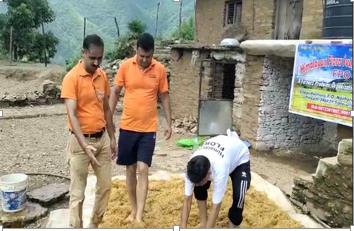
“Stop migration from the villages. Build a self-reliant rural society assured of food security.”
- Save the environment, save every drop of water
- Income programmes inside the village
- Reverse migration: barren land into fruit orchards
- Natural, organic farming and millets
- Training for FPOs, FPCs and FFPOs
- Women empowerment and livelihood
- Unlocking rural potential in SC/ST/BPL areas
- MSME development
The River Bank Nursery
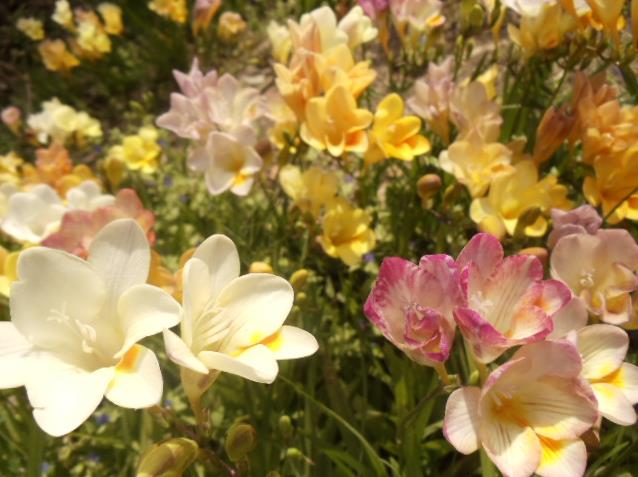
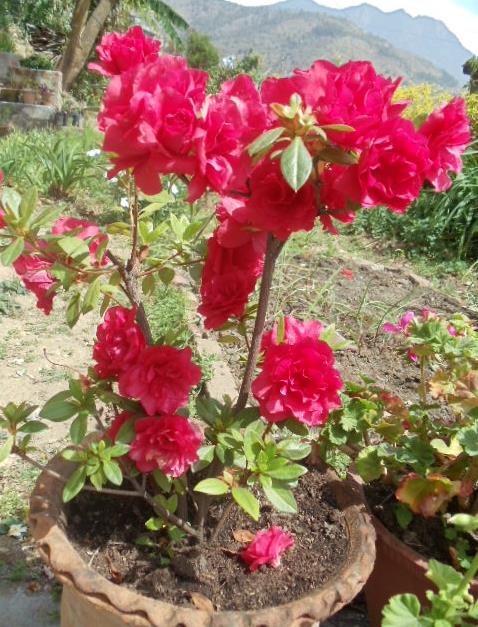
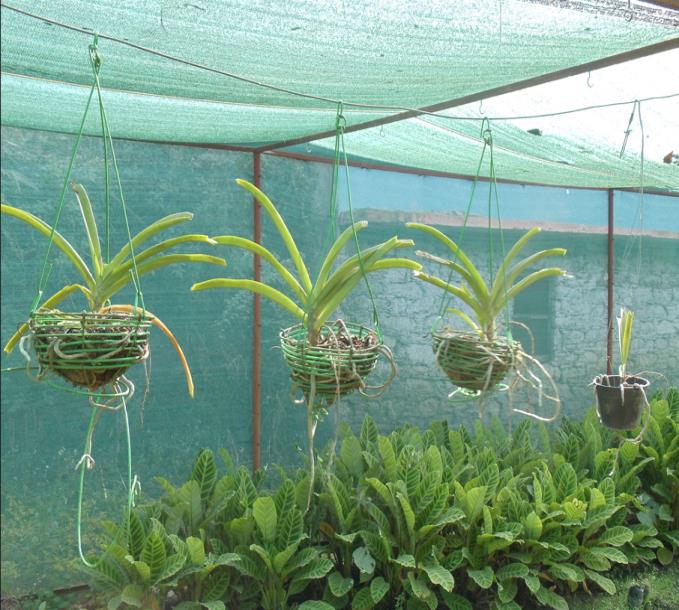
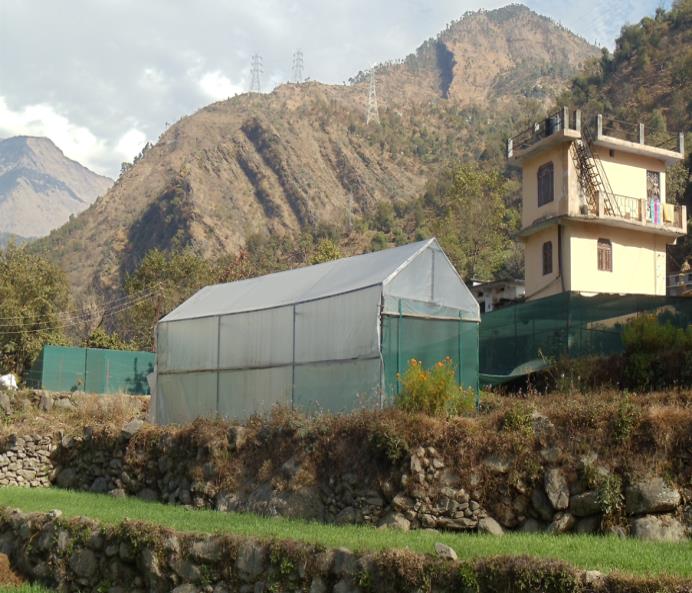
At Kuhed on the Badrinath highway, HFSS built the district's first hi-tech commercial floriculture nursery. It was also the first to bring tissue-cultured flowers to local farmers.
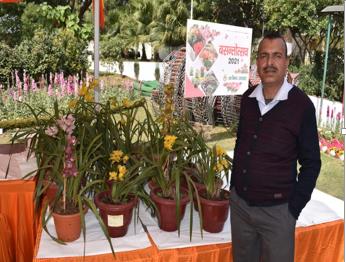
Adv. Rakesh Mohan Pant brings more than 40 years of experience in flowers. He has won the Governor of Uttarakhand's awards several times for his orchids at the Raj Bhawan flower show.
His nursery turned local farmers into flower growers, and he still advises growers and NGOs.
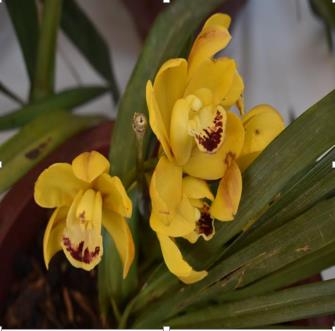
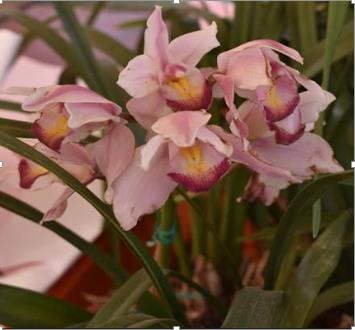
A pharmacy on the hillside
In Maithana, with support from the Herbal Research and Development Institute (HRDI), HFSS raised a herbal nursery.
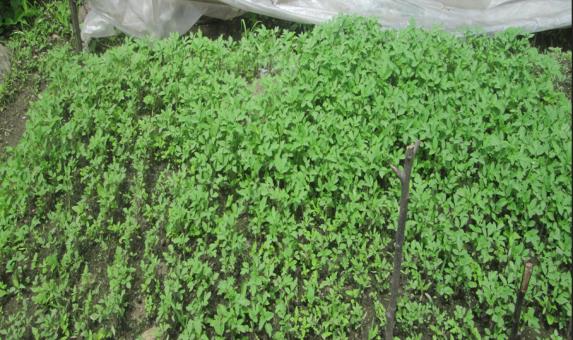
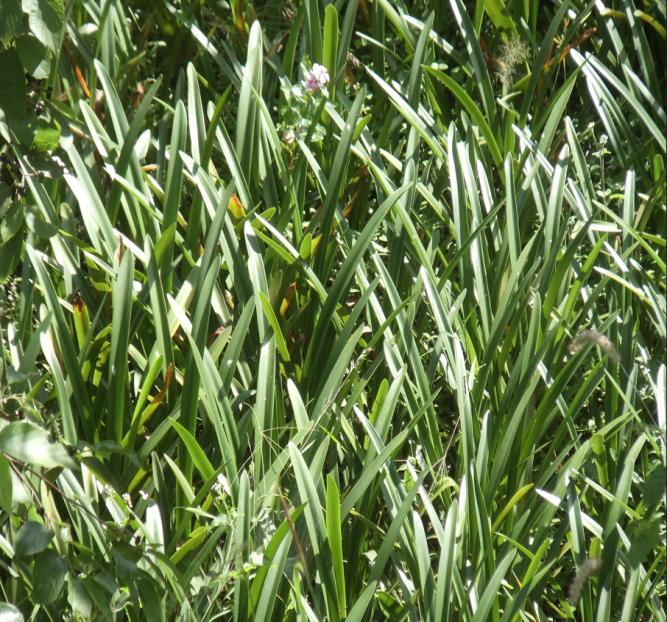
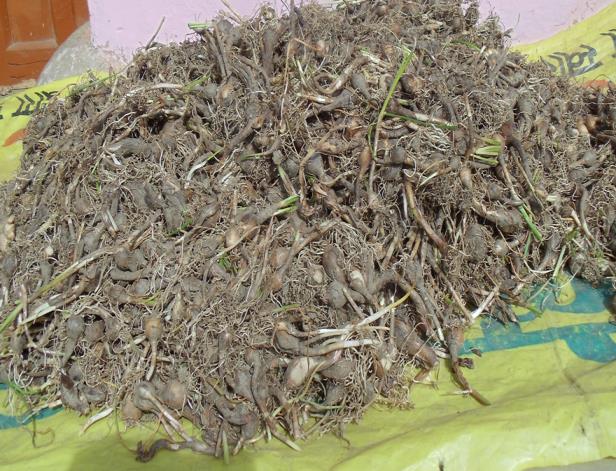
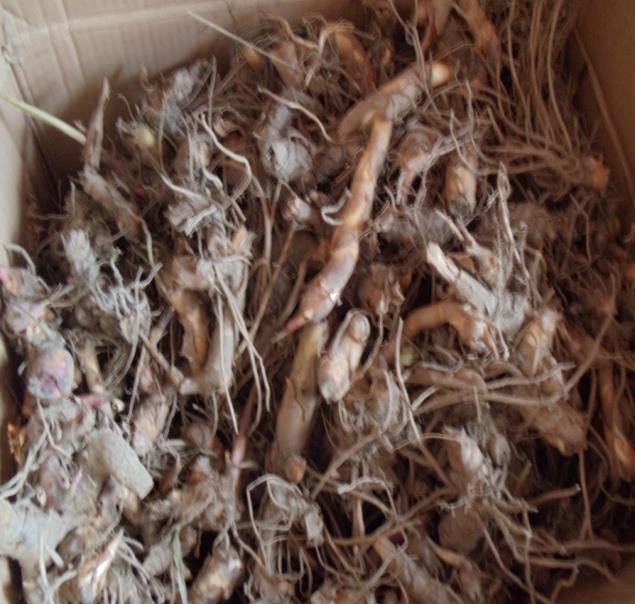
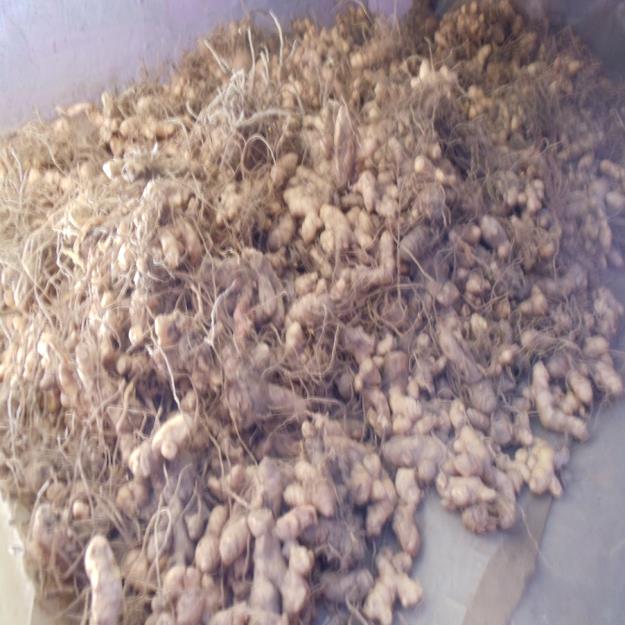
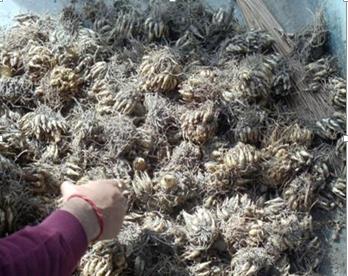
What grows in the herbal nursery
Organic tea between oak and buransh
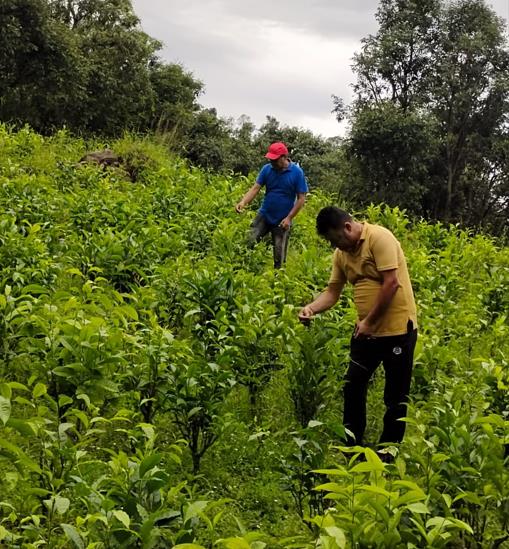
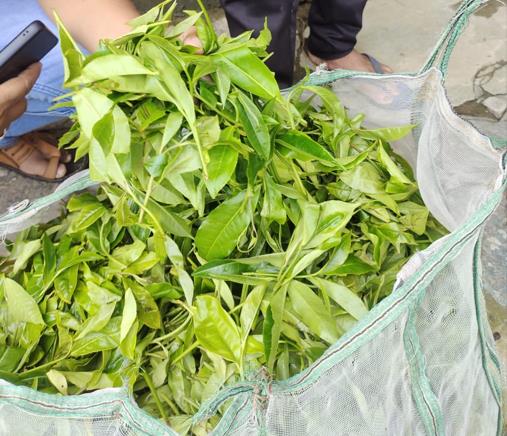
Progressive farmer Jagdish Prasad Joshi of Bajan, Block Karnaprayag, planted about 20,000 organic tea plants among oak and rhododendron (buransh) trees. HFSS CEO B.C. Joshi helped with the lease agreement and with the Organic Tea Development Board in Almora.
No chemicals or fertiliser touch this farm. The tea sells for Rs. 3,000 to 3,500 per kg, and wild animals and monkeys leave the crop alone. Other farmers are now following.
When the springs ran dry
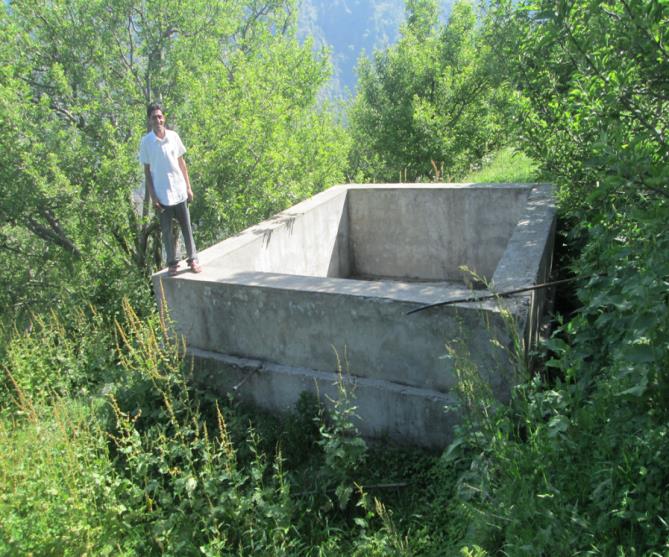
Between 2008 and 2010 many natural water sources in the hills dried up. Villagers felt it first. In 2010, with the Agriculture Department, Gopeshwar, Mukesh Chandra Sati led a rain water management system at Kotmangra Tok, Maithana.
Villagers and 20 women's groups from nearby villages dug the trenches, pits and ponds under MGNREGA between April and June 2010. After the rains, every dried-up drinking water source recharged, and they have kept flowing since.
Mukesh Chandra Sati and his two Krishi Jal Doots received an award from the Governor of Uttarakhand, Dr. K.K. Paul.
Today: 525 villages in 9 blocks of Chamoli and 425 villages in Rudraprayag have rain and drinking water systems, and 1,000 families have food security through fruit orchards.
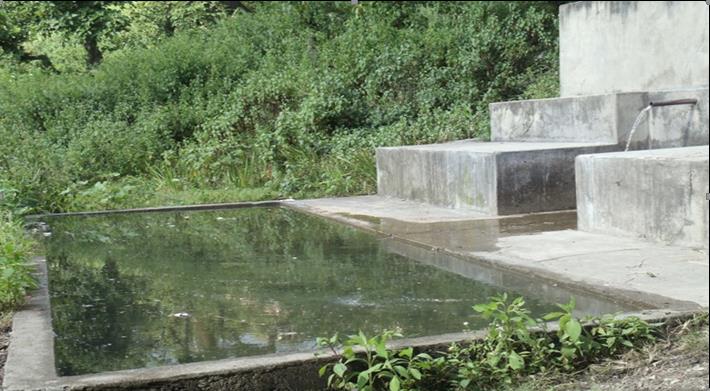
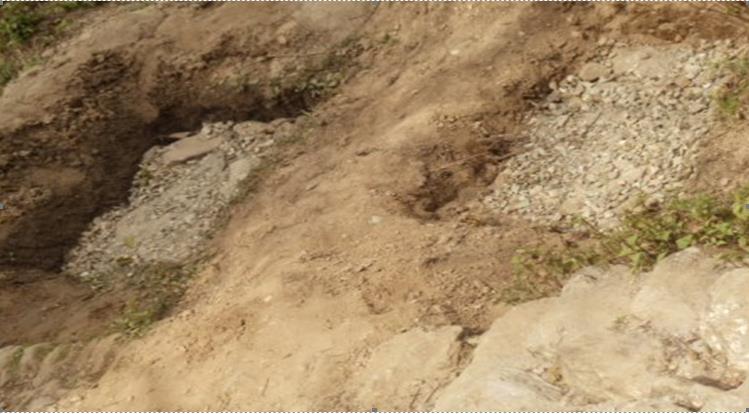
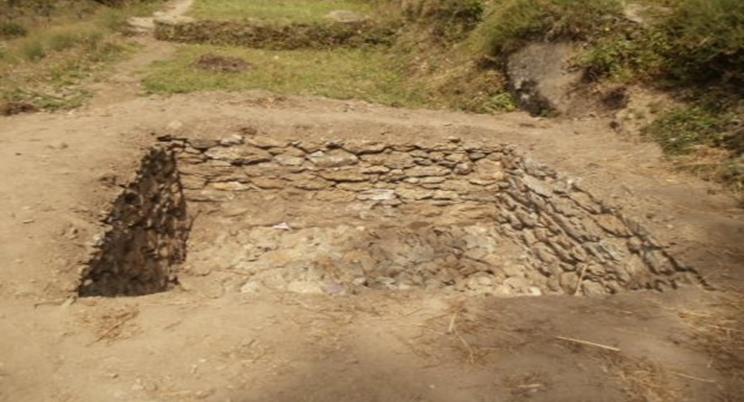
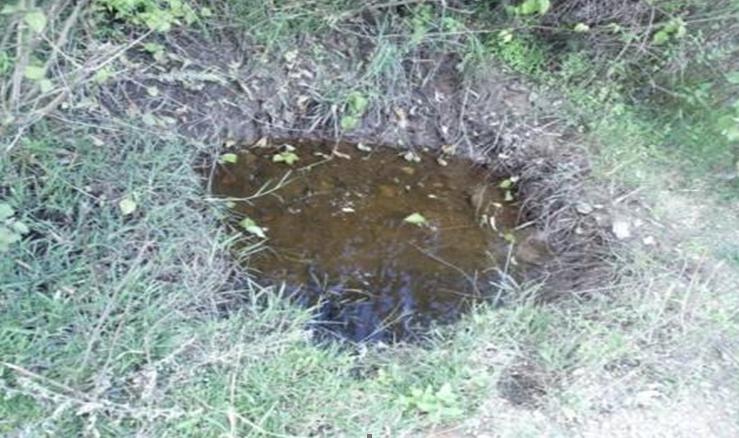
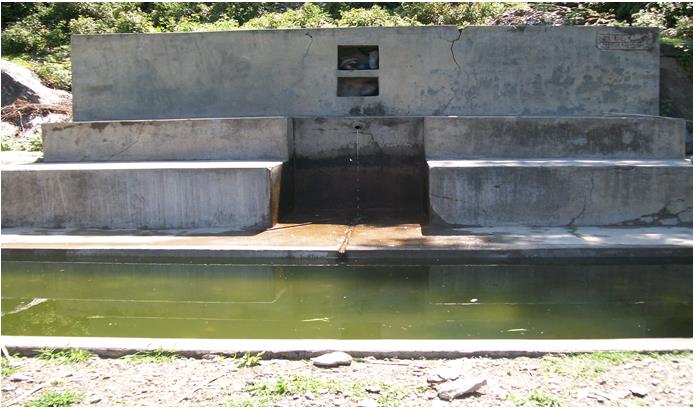
“In 2017, 4,000 villages across 8 districts of Uttarakhand joined the national water campaign by CEE and NABARD. Mukesh Chandra Sati was the master trainer for Chamoli.”
Barren land becomes fruit
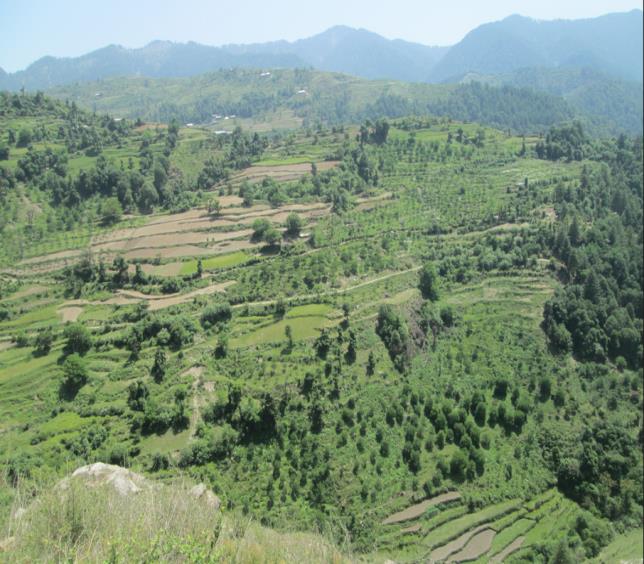
HFSS advises its partner NGO SNDMS on rain water work across 9 blocks of Chamoli. It also supports a NABARD-funded WADI project in 12 villages of Kathyan Ghati, Tyuni tehsil, Chakrata block, Dehradun.
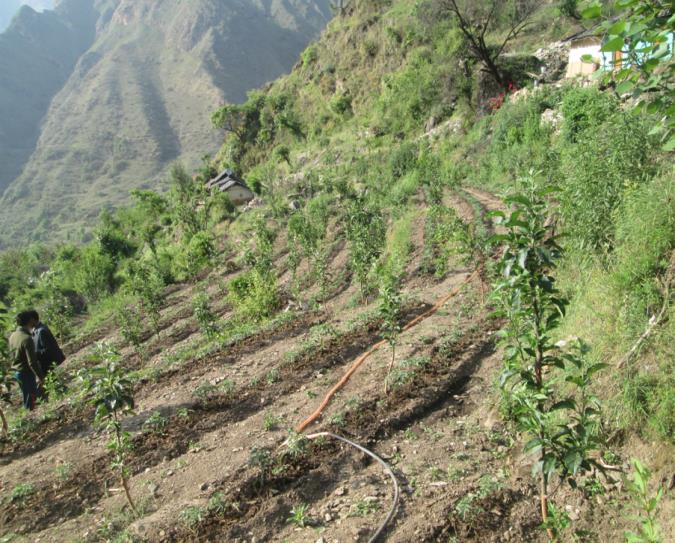
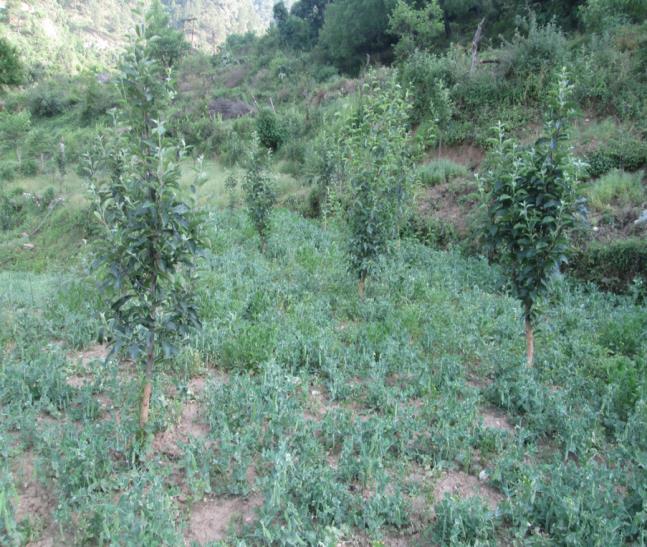
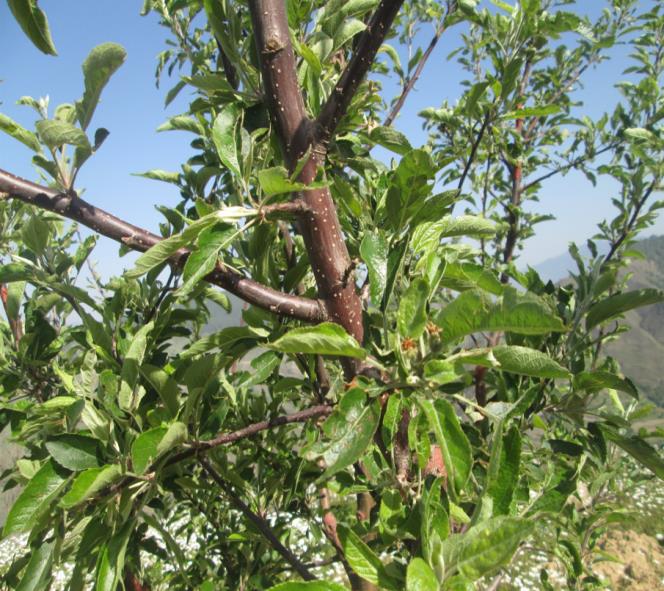
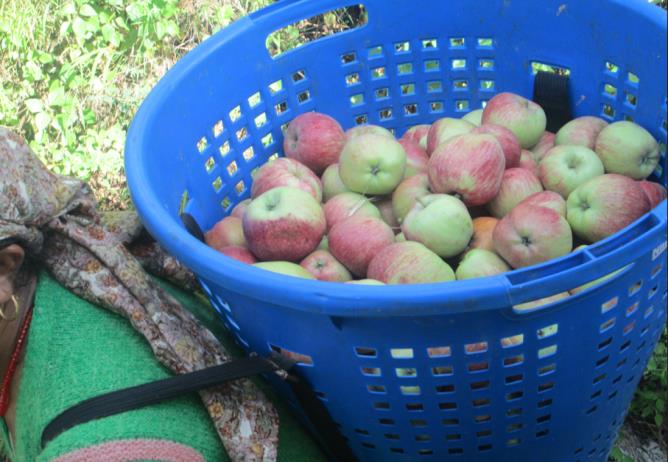
New orchards of apple, pear, pomegranate and persimmon (the Japanese fruit) now stand on the slopes. The project also built 24 underground water tanks for drinking and irrigation, with vermi-compost pits, goat rearing, improved vegetables and inter-cropping.
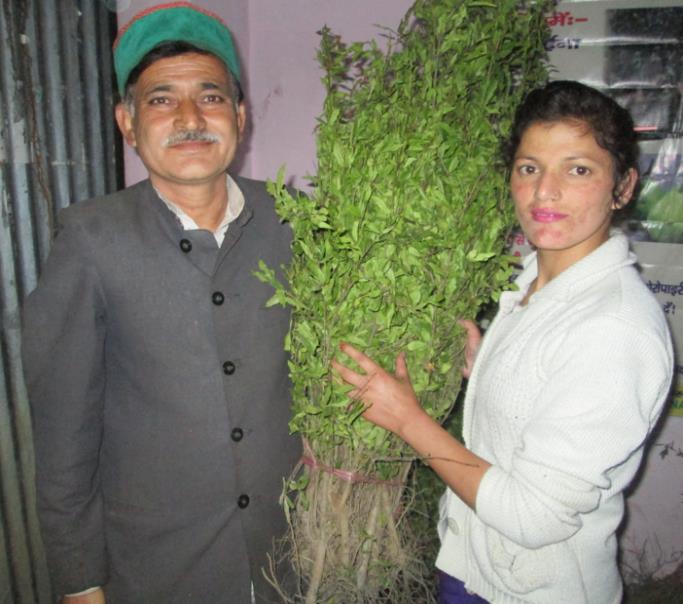
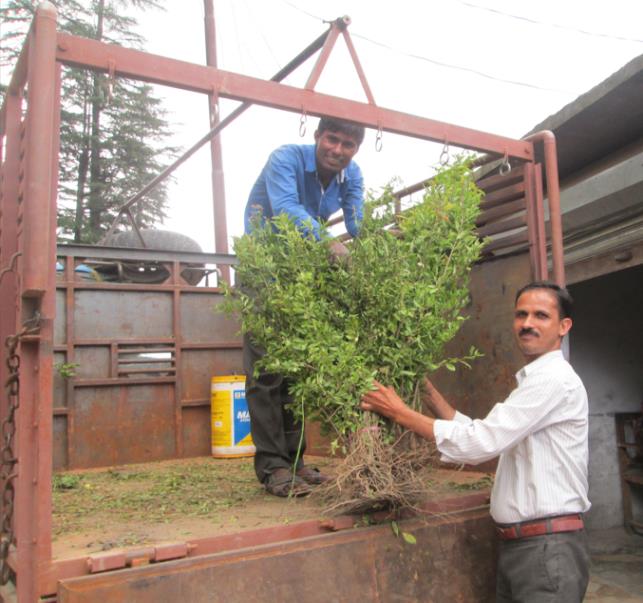
A clever fence: Damask rose and daru haldi (barberry) planted around the orchards keep out wild animals and monkeys at very little cost. Both are in demand: rose petals, rose water and rose oil come from the first, and oil for ayurvedic medicine from the second.
Teaching the next hands to grow
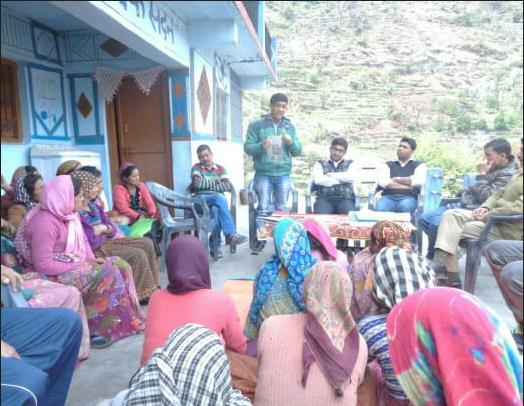
HFSS has trained women's groups, self-help groups, farmer and youth clubs and NGOs in livelihoods, natural and organic farming, and marketing. It has also coached farmer producer companies as far as Himachal Pradesh.
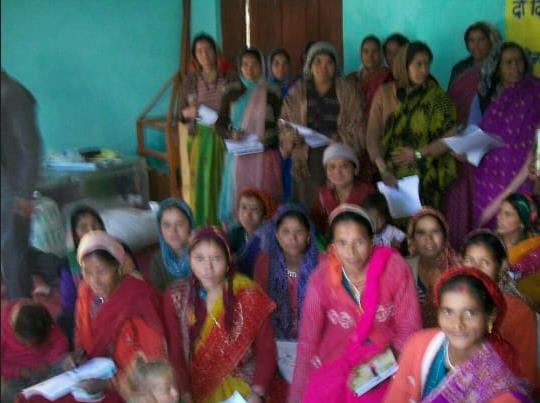
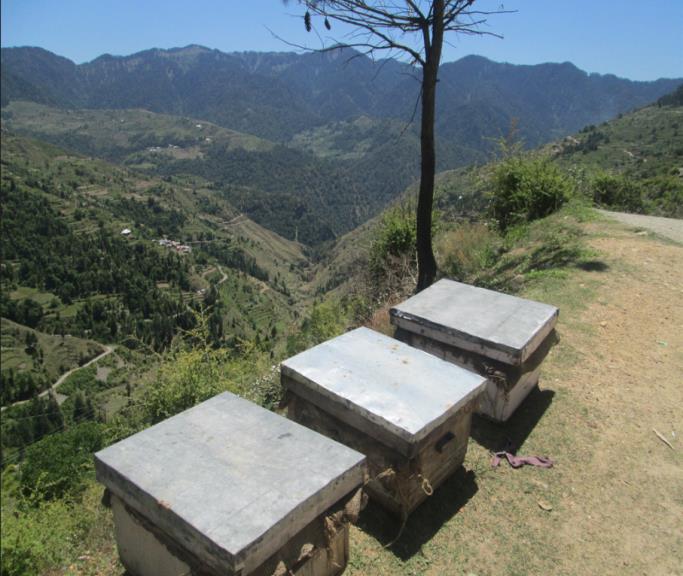
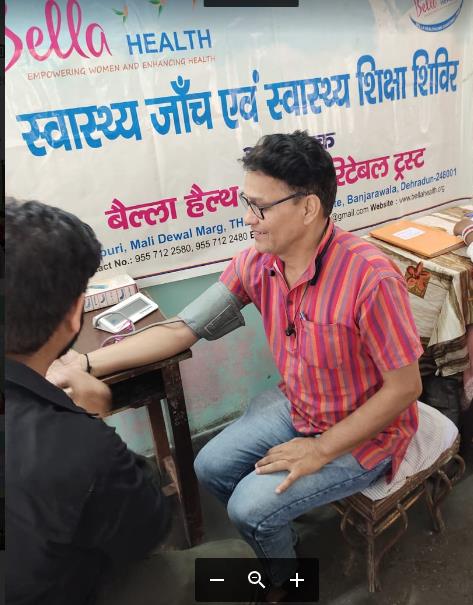
Women are at the centre of the work. They dug the ponds, run the groups and, through health awareness camps, learn about hygiene and sanitary products. Livelihood options range from fish and mushroom farming to beekeeping, poultry, pickles, jams, jellies, papad and millet snacks.
In 2020 HFSS helped about 200 Jaunsari artisans get Artisan Cards from the Development Commissioner (Handicrafts). Cardholders can sell and join DCH exhibitions free, with extra TA/DA.
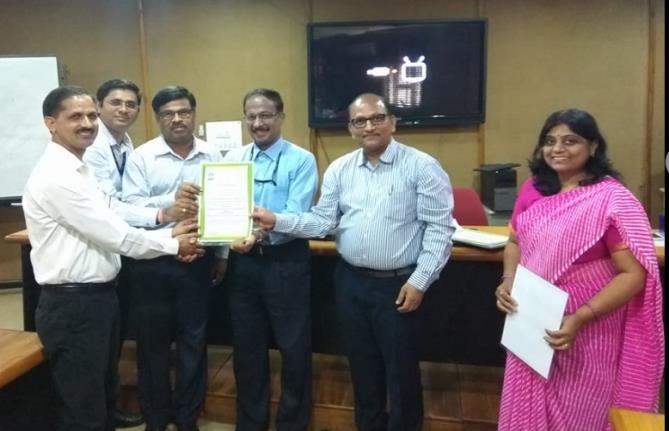
Trainings and recognition
| When | What | Who / with |
|---|---|---|
| 2017 | Master trainer and Krishi Jal Doots for the national water campaign | CEE and NABARD, 8 districts, 4,000 villages |
| 2020 | About 200 Artisan Cards for Jaunsari artisans | Development Commissioner (Handicrafts), Govt. of India |
| Feb 2022 | Board of Directors training | Himri Ganga Farmer Producer Co. Ltd, Drang, Mandi, Himachal Pradesh |
| 2022 | FPC training programmes | Palog Valley FPC, Mashobra, Shimla, and others, organised by SFAC |
| Aug 2022 | Fish retailing business training | FFPO at G.B. Pant University, Pantnagar |
| May 2023 | Governance, management, soft and hard skills for FFPOs | NCDC, Khatima, Uttarakhand |
| Since 2019 | Consultancy on fruit and vegetables, goat rearing, poultry, water, health and sanitation | Bella Health: Larwakot (Dehradun), Mal Devta (Tehri), Jakh (Chamoli) |
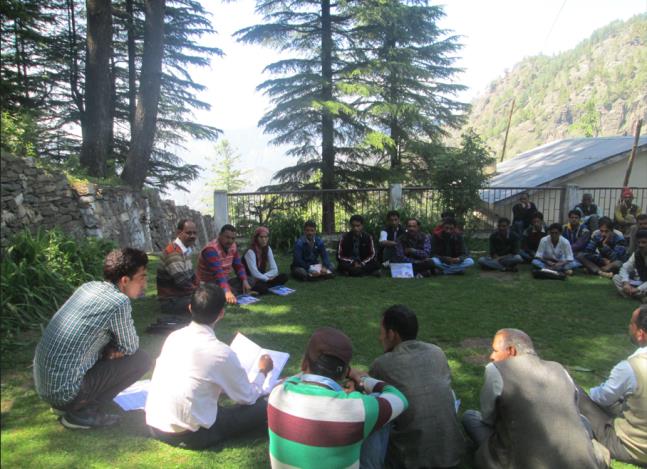
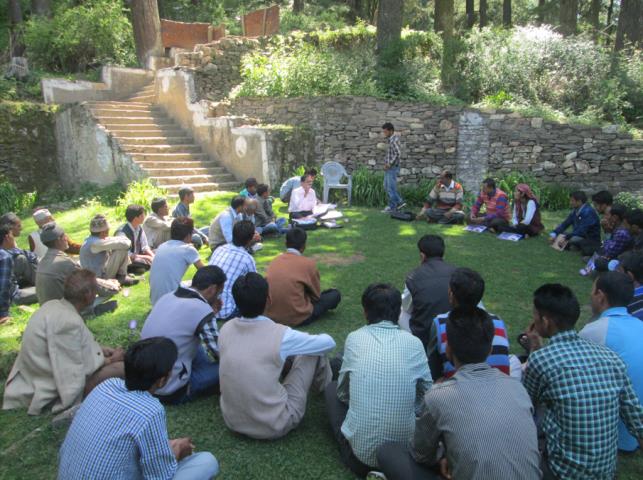
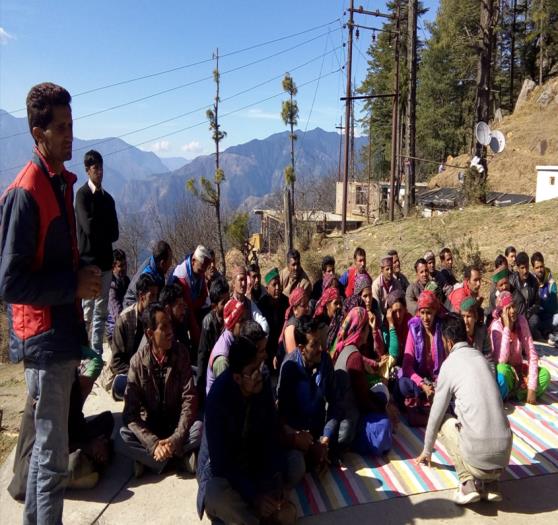
From the mountain to the marketplace
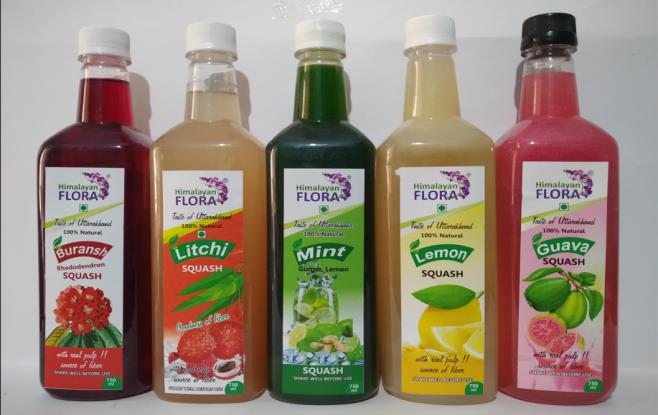
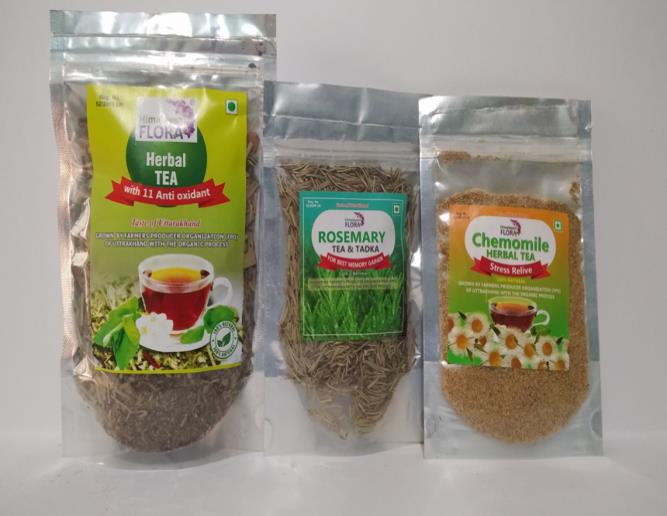
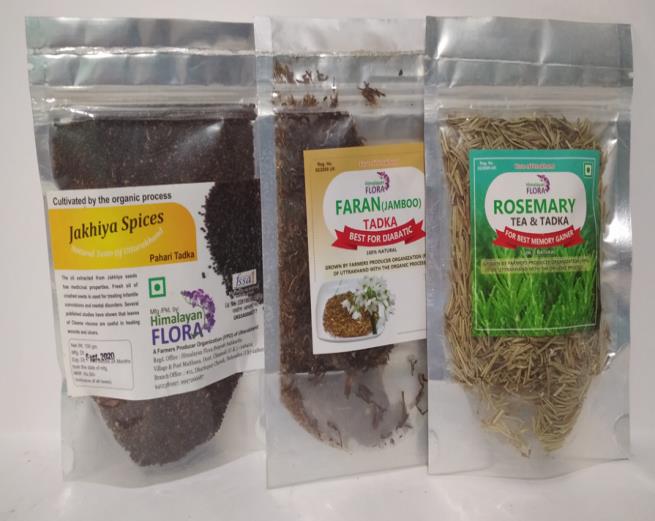
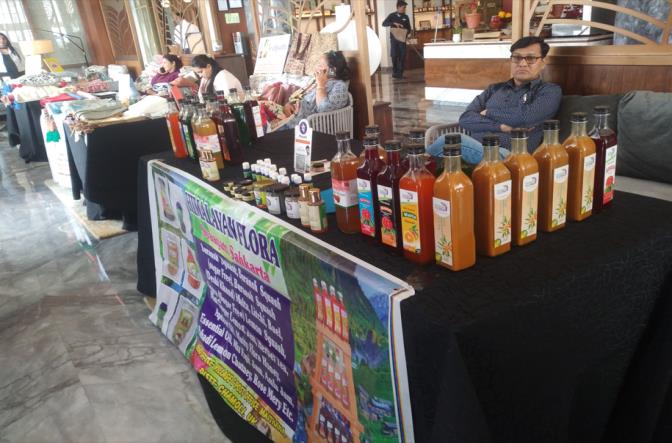
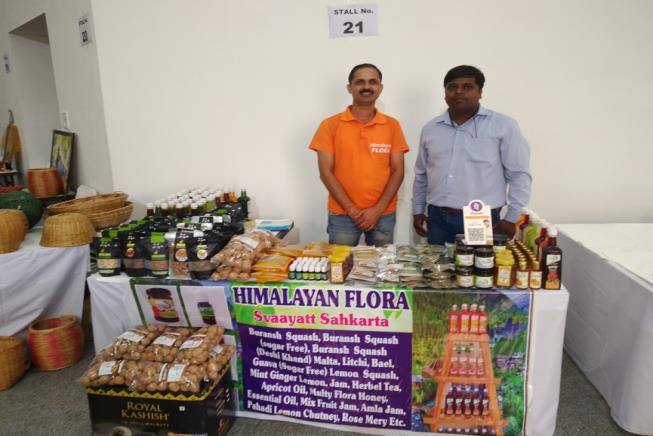
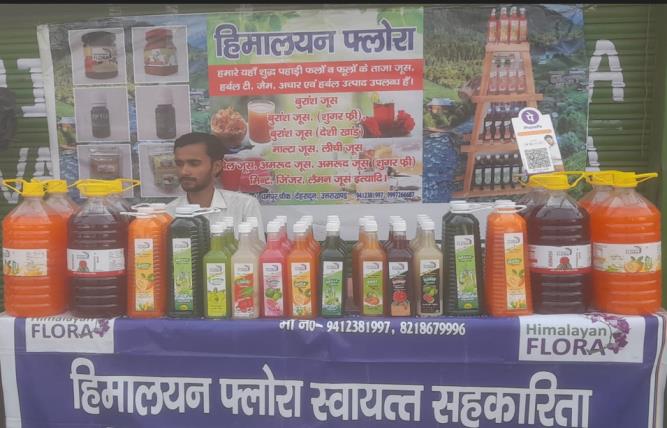
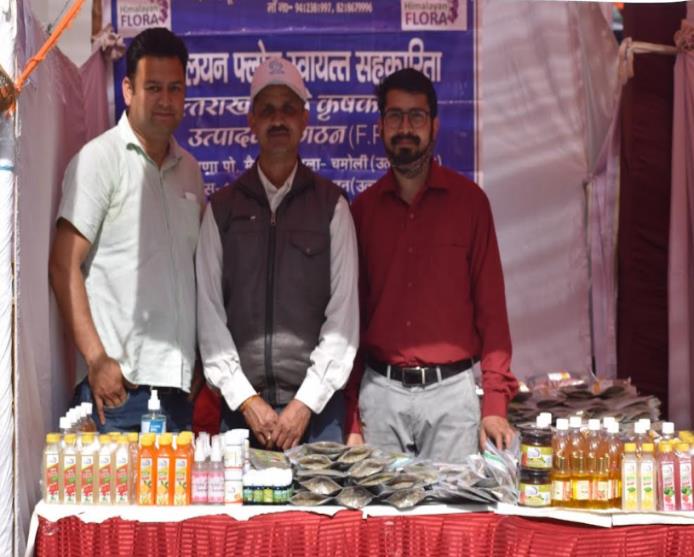
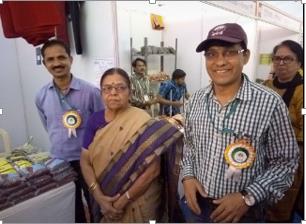
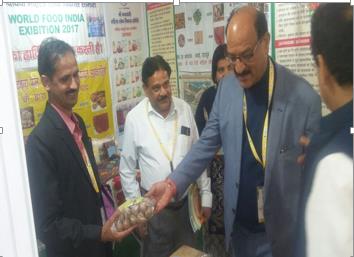
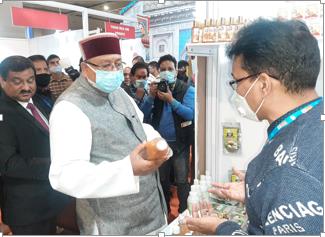
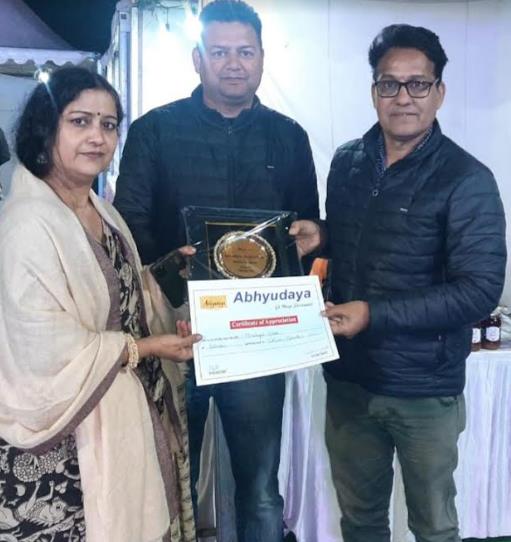
Growing is half the work. HFSS takes pahadi pulses, grains, herbal teas, squashes, honey and oils to fairs across India and online, so farmers earn what their produce is worth.
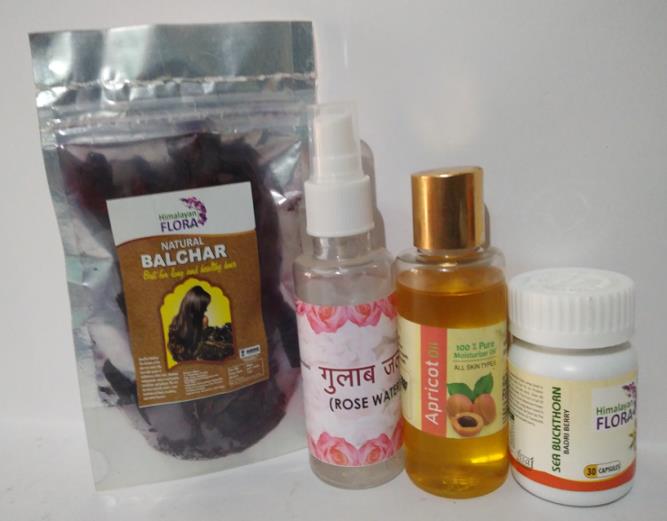
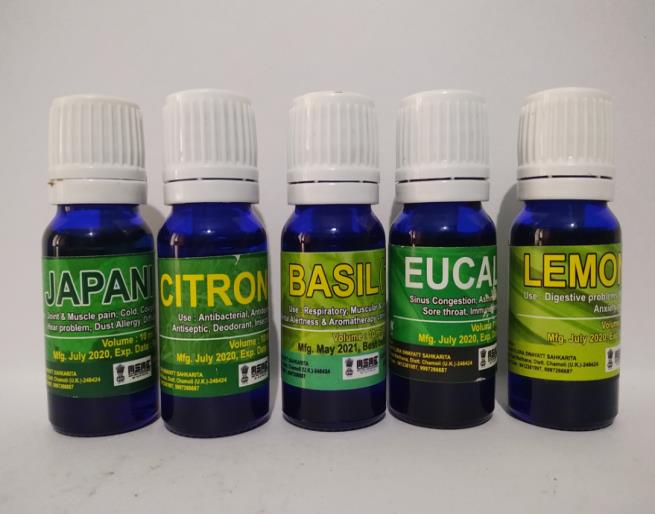
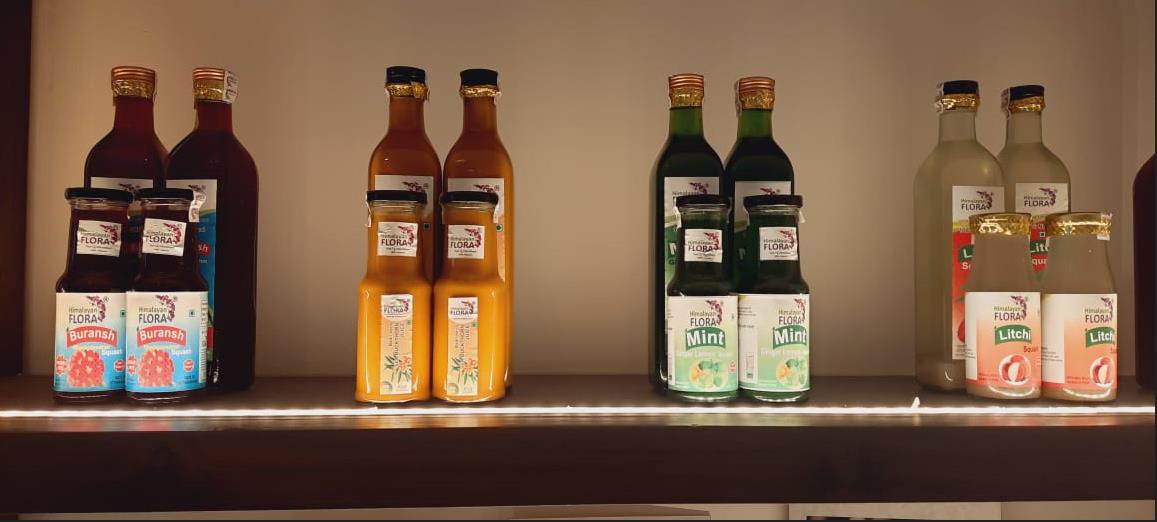
Most in-demand products
Fairs and exhibitions
| Year | Event | Place |
|---|---|---|
| 2016 | International Trade Fair (ITPO) | Pragati Maidan, Delhi |
| 2016 | Surajkund International Fair | Faridabad |
| 2017 | Mahalaxmi Saras: best performer exhibitor by NABARD | Mumbai |
| Oct 2017 | Deccan Hatt | Hyderabad, Telangana |
| Nov 2017 | World Food India | India Gate, Delhi |
| 2017, 2019, 2022 | UJVN foundation day | GMS Road, Dehradun |
| 2018 to 2022 | Tribes of India (TRIFED) exhibitions, Leh-Ladakh to Puducherry | Across India, incl. Dilli Haat |
| 2019 | NHPC exhibition | – |
| 2020 | Namaste Bharat Virtual Exhibition | Singapore (online), via DIC Dehradun |
| 2021, 2022 | International Trade Fair (ITPO) | Pragati Maidan, Delhi |
A self-reliant hill society
Food security, strong water systems, good health, gender equality, literacy, and a place in national and global markets. All of it with clean, green hills.
Vision
Combine agriculture, horticulture, herbs and traditional handicrafts, with high moral values, a clean and green environment and links to national and global markets.
Mission
Stop migration from the villages and remote areas of Uttarakhand. Empower women and weaker communities, and build lasting local income.